
Mini Split Installation in Delaware
Electricity costs homes more in Delaware than in 34 of the other 49 states.
Tell us about the job
Takes about a minute. No obligation.
- 85°Fsummer afternoon high where people live
- 4 monthsof cooling, June through September
- 28°Fwinter overnight low where people live
- 7 monthsof heat, October through April
Electricity here costs more than in most states so efficiency on a mini split matters, all year
- Summer afternoons average 85°F where people live
- Winter nights average 28°F where people live
- Cooling runs June through September
- 546 damaging wind events from 2015 to 2024
- 12% of homes lost power a day or more in 2024


- One system handles both heating and cooling, so there's no separate furnace and AC to maintain
- Each indoor head runs off its own thermostat, so rooms can be set differently
- No ductwork means rooms a window unit never cooled well, like additions, can finally stay comfortable
- The indoor and outdoor units are sized together as a pair, matched to the space they condition
- Nothing cycles on and off the way a furnace blower does, so the temperature holds steady

Delaware sees damaging wind more often than most states, and a mini split's outdoor unit sits outside year round, bolted to a pad or wall bracket. That mounting is standard and built for weather. No part of that changes with a bigger unit or a higher efficiency rating.
A standard mini split, sized correctly for the space, holds its own in a Delaware winter storm or summer outage once power is back. There's no case here for oversizing or chasing a higher-end model than the room calls for. Size it to the space and let it do its job.
Install before the season starts, not during it
Cooling here runs June through September, about four months a year, which is fewer than most states see. May is the quiet month right before it starts. Get the mini split installed then and the outdoor unit and each indoor head get set up and checked with nothing riding on it yet. Wait until the first hot week and you're asking for an install to go right the same week you need the system most.
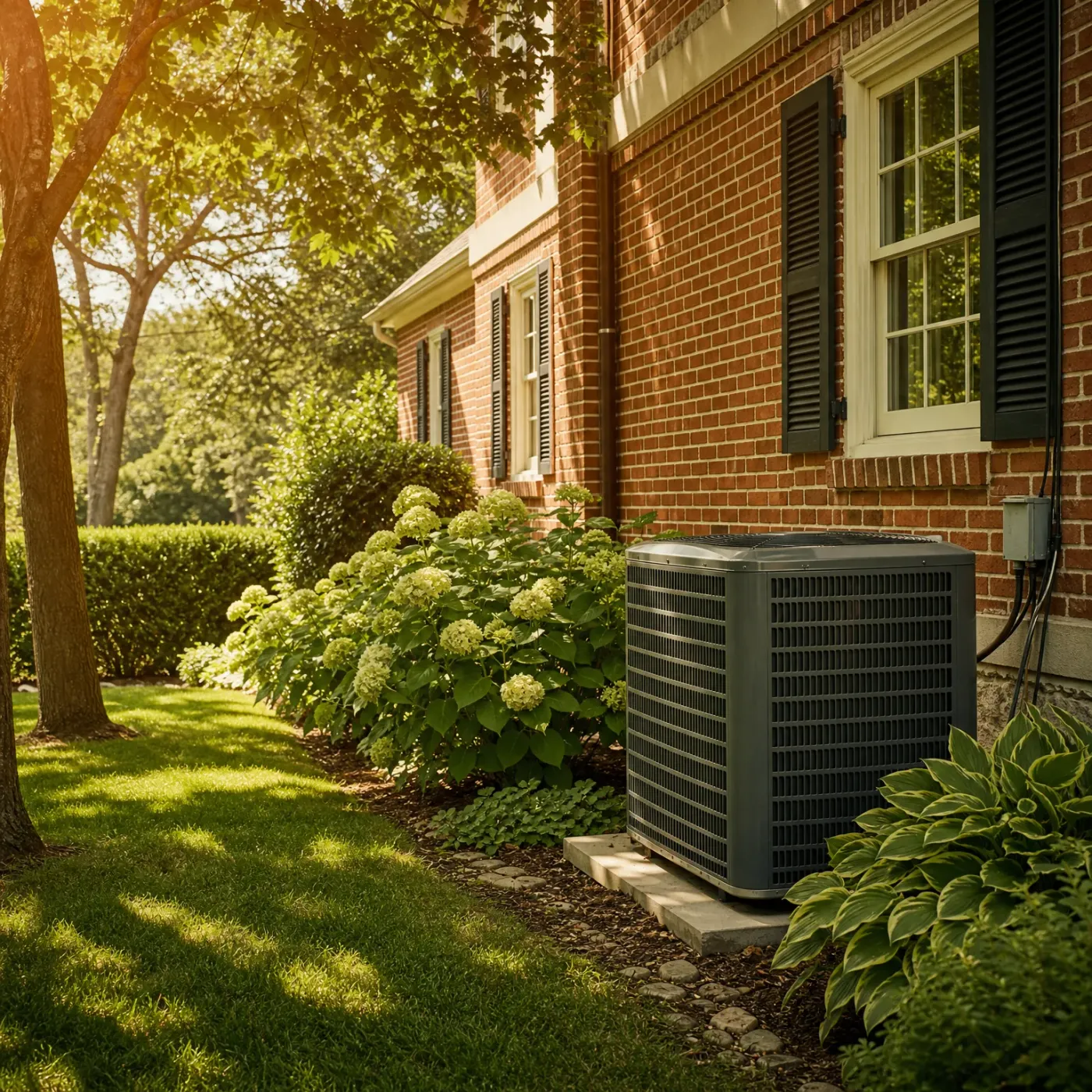
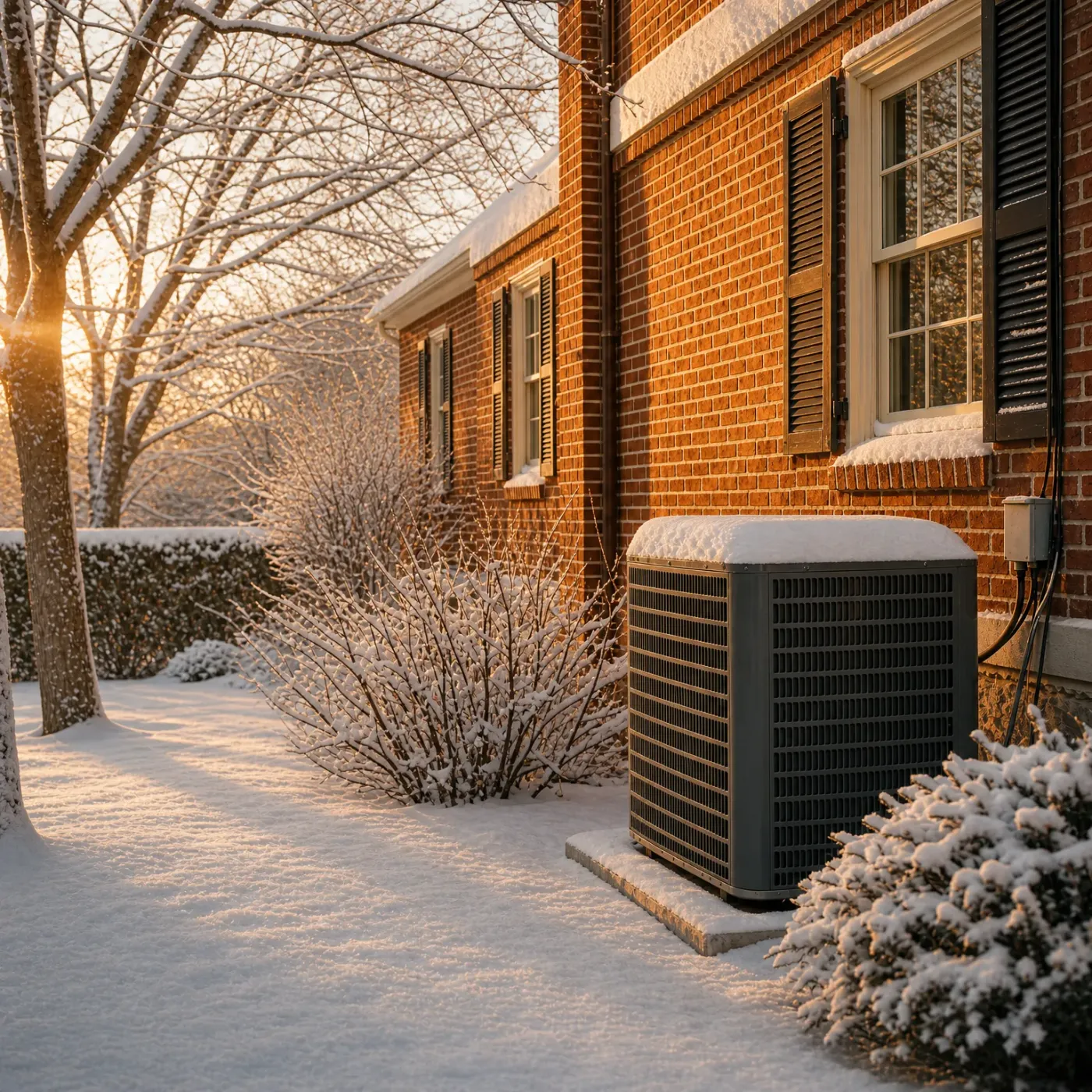
4 months of cooling, June through September
7 months of heat, October through April
What does a mini split in Delaware face?
How hot do summer afternoons get?
85°Faverage afternoon high where people live
Alaska66°F
Arizona101°F
How cold do winter nights get?
28°Faverage overnight low where people live
North Dakota4°F
Hawaii65°F
How many months does the cooling run?
4 monthsof cooling a year
Alaska0 months
Hawaii12 months
What does electricity cost?
16.57¢per kWh (kilowatt hours, the unit on an electric bill), what homes paid in 2024
North Dakota11.51¢
Hawaii42.86¢
How often do storms hit?
247severe weather events per county from 2015 to 2024
Alaska5
Wyoming1,057
How many homes lost power for a day or more?
12%of homes in 2024
Arizona7%
Maine54%
Get it installed before June, not during it
A mini split installed in May has time to prove itself before it has to work. Whoever installs it can run the system, check the charge, and confirm each indoor head is actually heating or cooling the room it's mounted in, with no pressure to wrap up fast because a room upstairs is already warm. Wait until June and the same checks happen while the outdoor unit is already carrying the first real heat of the year. Getting the install done before June means the system is already proven out when it has to carry the house.
Questions worth asking before you decide
A mini split system is an indoor head and an outdoor condenser sold as a pair, matched by whoever installs it to move a certain amount of heat for the space being covered. That pairing is where the real differences show up. Ask how many indoor heads the outdoor unit can run, and whether it can actually run all of them at once instead of just one at a time. Ask what happens if a room gets added later, because some outdoor units have a spare port for another head and some are built to run only what they shipped with. Ask about the line set, the copper tubing that connects indoor and outdoor units, since a longer run between them can call for a larger line set or more capacity on the outdoor unit to make up for it. Ask whether one indoor head can call for heat while another calls for cooling at the same time, because not every system allows that. And ask what the warranty covers on the compressor compared to what it covers on the indoor heads, since those terms are often different.
How this fits what's already here
Utility gas heats more Delaware homes than any other fuel, 41.9 percent, with electricity not far behind. A mini split runs on electricity, so it draws on the same kind of service that homes with electric heat already have. In a home that heats with gas or oil, a mini split doesn't replace the furnace. It covers specific rooms, or takes over cooling, without touching the system already in place. In a home already heated with electricity, it's a more direct fit from the start.
Delaware loses power more than most states, and a right-sized mini split comes right back on.
Tell us about the job
Takes about a minute. No obligation.
Fill out the form and a licensed Delaware installer sizes the system and gives you a number to decide on.