Electricity here runs 16.57 cents per kilowatt-hour
Delaware households paid that rate in 2024. A mini split that holds its efficiency rating keeps that number from compounding every time it cycles on.
Takes about a minute. No obligation.
Delaware households paid that rate in 2024. A mini split that holds its efficiency rating keeps that number from compounding every time it cycles on.
A mini split used for both heating and cooling is working most months of the year. At Delaware's rates, how efficiently it runs shows up on every bill it touches.
NOAA nClimDiv, 1991–2020 normals
Cooling runs June through September here.
May is the month to get a mini split installed, ahead of the heat and the rush to get one in.



Sussex County sits in climate zone 4A, which asks for real heating and real cooling, not just one or the other. A mini split counts as a split system under the federal standard, so any unit built from 2023 on has to hit at least 14.3 SEER2 for cooling and 7.5 HSPF2 for heating. That's the floor. There's no separate, looser rule for ductless systems. Whatever gets installed here has to clear that bar before it ever runs its first cycle.
Electricity heats 52.7% of homes in Sussex County, more than gas, propane, and oil combined. A mini split runs on electricity, so it fits the setup most homes here already have. No new fuel line, no new gas work. Just a system sized and installed for the place it's going in.
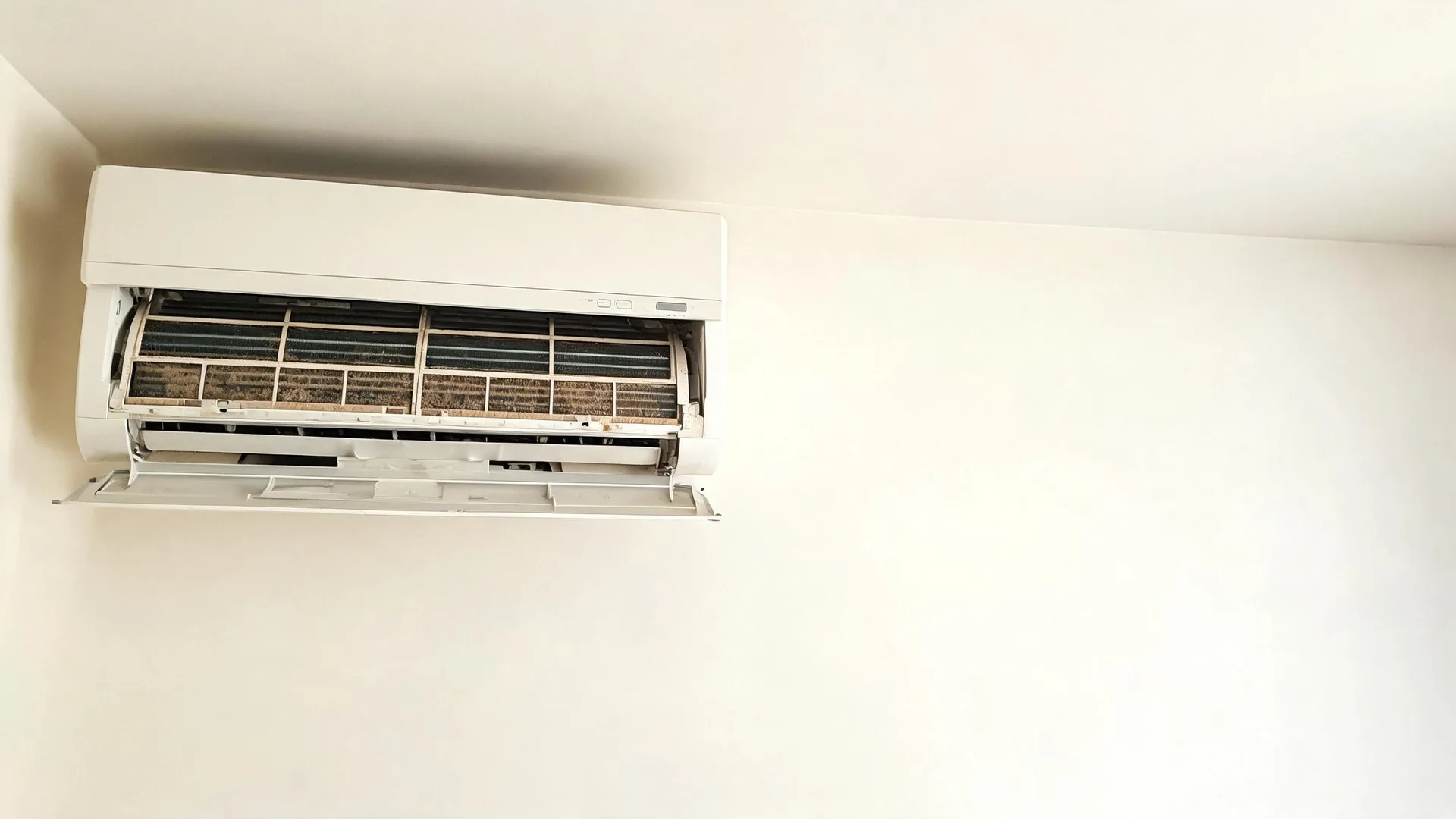
Find a contractorA mini split runs every time the room calls for heat or cooling, not on a fixed schedule like a furnace cycling a few times an hour. That means the compressor sees long stretches of steady work instead of short bursts. Steady running is easier on a compressor than constant starting and stopping, since the motor draws hardest at startup. What wears a mini split down isn't the hours on the clock. It's a dirty filter choking airflow, a coil caked with dust making the system work harder to move the same heat, or refrigerant charge that's drifted off from a bad install. Keep the filter clean and the outdoor unit clear of leaves and debris, and the hours it logs matter a lot less than the condition it logs them in.
A contractor disconnects the indoor head and outdoor unit, caps the line set, and hauls both away. There's no ductwork to pull out and no gas line to cap, since a mini split needs neither. If the old system was a furnace or central air setup instead, that teardown looks different and takes longer.
Whatever refrigerant is sitting in the old lines gets pulled into a tank and reclaimed, not let out into the air. That applies to any system holding refrigerant, not just mini splits. A contractor handles that recovery as part of the teardown, before the new lines ever get connected.
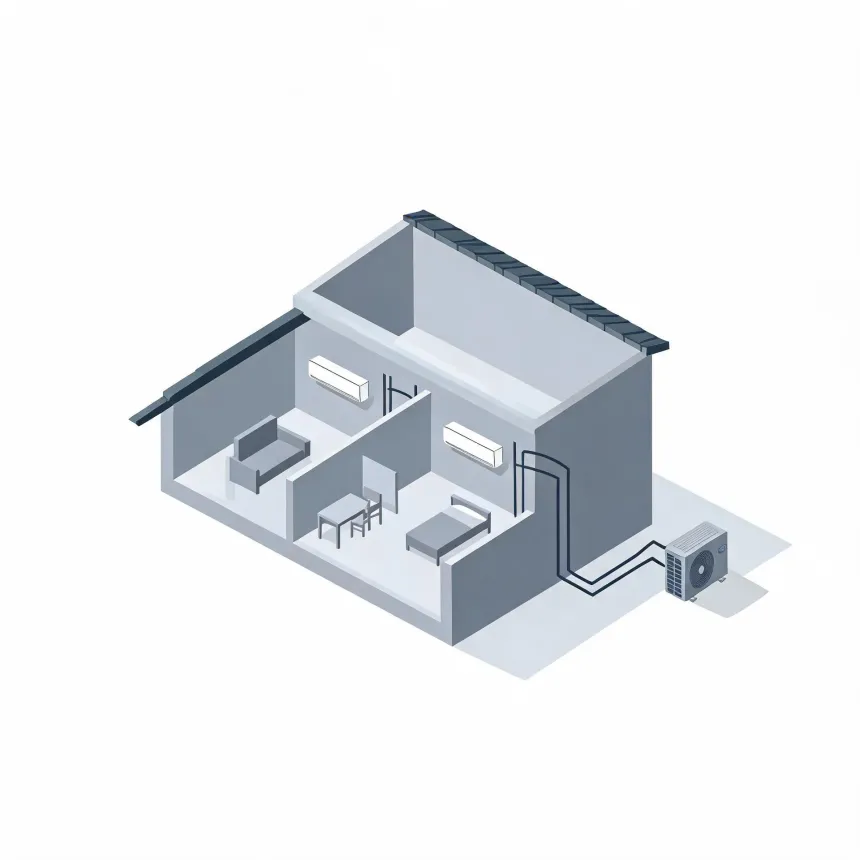
Sizing a mini split comes down to matching the unit to the room, not the other way around. A contractor works out the heat load by looking at the square footage, the ceiling height, how many windows face the sun, and how well the walls and attic hold temperature. Too big and the unit short cycles, hitting the setpoint fast and shutting off before it's pulled any humidity out of the air. That leaves a room cold and clammy instead of just comfortable. Too small and it runs flat out all day, straining to keep up on the hottest or coldest afternoons and never quite getting there. A single zone can condition one open room or a small addition. A multi-zone setup, with several indoor heads tied to one outdoor unit, handles a house with rooms that each need their own temperature. Getting that load calculation right is what the rest of the install depends on.
Sussex County gets real weather, from damaging wind to the occasional tornado or hurricane. None of that changes what size or efficiency mini split belongs in a given room. A standard unit built to the federal minimum handles wind, ice and heat the same way it would anywhere else, because the compressor and coil don't know what county they're in. What those events mean is more about the power staying on than the machine itself. A mini split, like any electric system, sits idle until the power comes back after an outage. That's a reason to think about backup power if losing heat or cooling for a stretch matters to you. It's not a reason to size up or pay more for the unit itself.