
AC Repair in Delaware
Electricity costs homes more in Delaware than in 34 of the other 49 states.
Tell us about the job
Takes about a minute. No obligation.
- 85°Fsummer afternoon high where people live
- 4 monthsof cooling, June through September
- 16.57¢ per kWhwhat homes paid for power in 2024 (kWh means kilowatt hours, the unit on an electric bill)
- 48hail events from 2015 to 2024
Summers here are warm but not extreme four months of real cooling, June through September
- Summer afternoons average 85°F where people live
- Cooling runs June through September
- 48 hail events from 2015 to 2024
- 546 damaging wind events from 2015 to 2024
- 12% of homes lost power a day or more in 2024


Newer homes, systems with life left
Half the homes in Delaware were built in 1987 or later, and most of the state is single-family houses rather than mobile homes or multi-unit buildings. If your AC came with a newer house, there's a good chance the system itself isn't that old either. That matters when you're deciding whether to fix it or replace it. A compressor or control board problem on a unit with plenty of life left is usually worth repairing rather than walking away from.

Delaware gets its share of rough weather, 678 severe weather events between 2015 and 2024. Damaging wind accounts for most of that. None of it is specific to how it treats an AC system. Wind and winter storms matter more for a roof or a power line than for a condenser sitting in a side yard.
What does matter after a storm is the power going out and coming back. In 2024, 12% of Delaware households lost power for 24 hours or more, a smaller share than in most other states. A compressor that cuts out and restarts a few times during an outage usually just needs its breaker checked or its capacitor tested. If the AC has not cooled right since the lights flickered, that is the first thing worth having a contractor look at.
June is when it breaks
Cooling runs June through September here, about four months. Most AC problems in Delaware show up in June, right when the system goes from sitting idle to running flat out. A capacitor or contactor that was weak in May often won't make it through the first real hot stretch. May is the time to have someone check it, before the load finds the weak part for you.
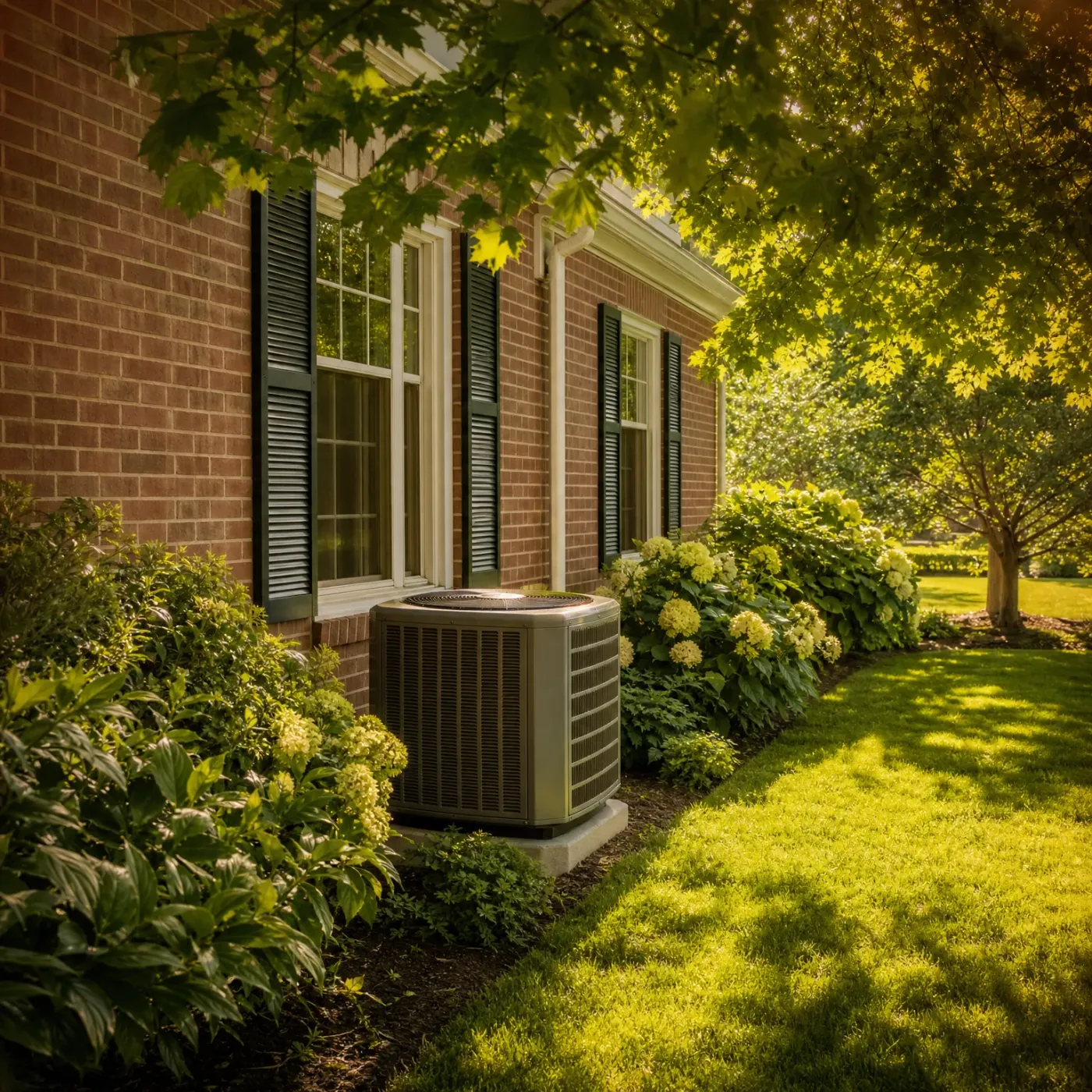
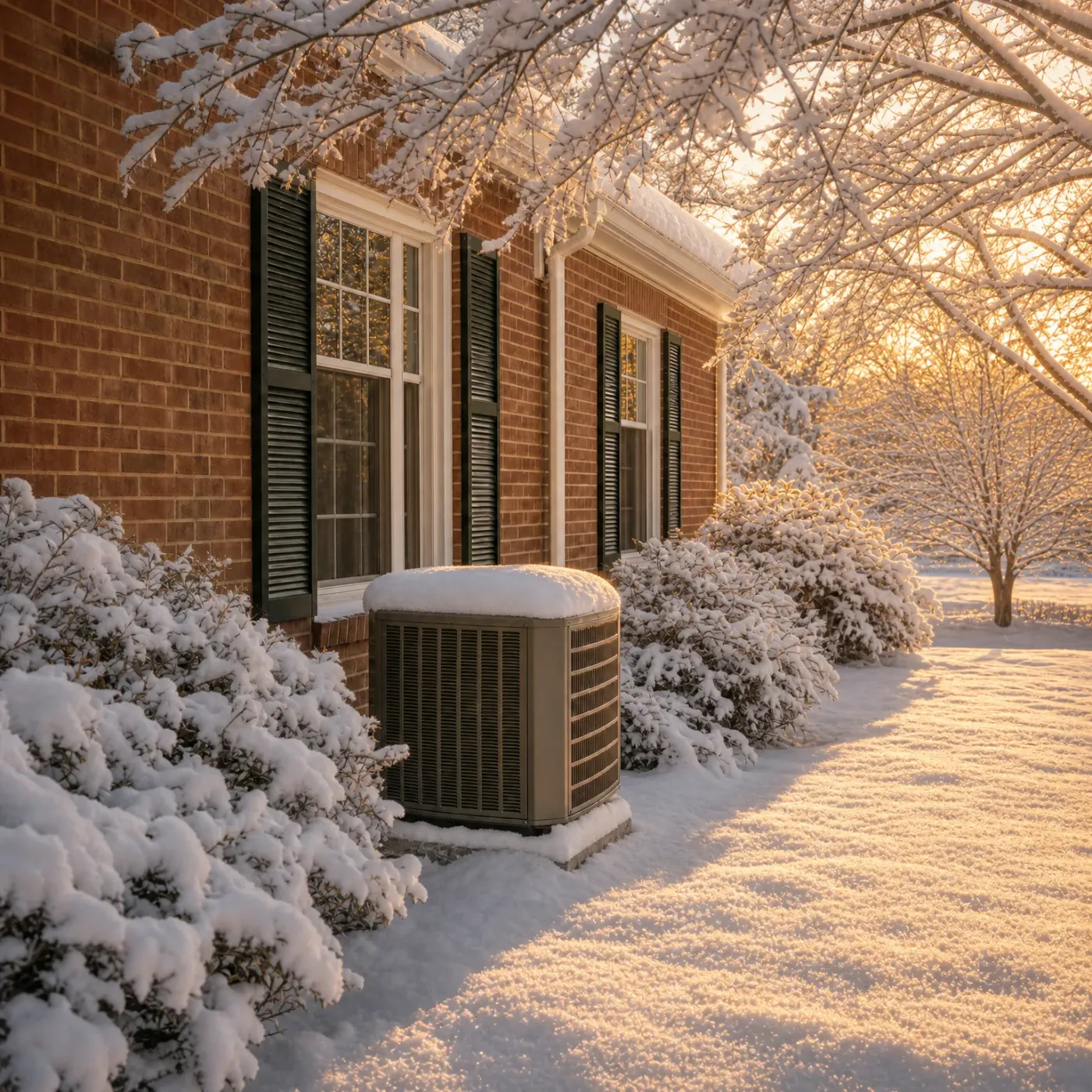
4 months of cooling, June through September
7 months of heat, October through April
What does an AC in Delaware face?
How hot do summer afternoons get?
85°Faverage afternoon high where people live
Alaska66°F
Arizona101°F
How many months does the cooling run?
4 monthsof cooling a year
Alaska0 months
Hawaii12 months
What does electricity cost?
16.57¢per kWh, what homes paid in 2024
North Dakota11.51¢
Hawaii42.86¢
How often do storms hit?
247severe weather events per county from 2015 to 2024
Alaska5
Wyoming1,057
How many homes lost power for a day or more?
12%of homes in 2024
Arizona7%
Maine54%
Running it through a problem makes the problem worse
A system that is low on refrigerant or fighting a dirty coil does not stop trying to hit the thermostat setting. It just runs longer to get there. That extra runtime is what turns a small problem into a bigger one. A compressor working against a weak charge runs hotter than it should, and heat is what wears a compressor out. A refrigerant leak or a dirty coil left alone can end with a seized compressor, which started as something much simpler. Short cycling does similar damage a different way. If the unit shuts off and restarts every few minutes instead of running a normal cycle, something like a bad capacitor or a clogged filter is making it struggle to start. Each restart puts a hard jolt through the electrical parts, pushing a capacitor or contactor that could have been swapped out toward full failure. Icing does the same. Airflow problems or low refrigerant cause ice on the coil, and running the system through that blocks airflow further and strains the compressor more. Shutting it off and letting the ice melt will not fix what caused it, but it stops the damage from piling up while someone gets out to look at it.
What a failing AC actually sounds and feels like
Warm air coming out of the vents is the one most people notice first, but what to check next depends on what else is going on. If the thermostat is set right and the air is still warm, the problem is often low refrigerant, a failing compressor, or a return vent blocked enough to choke the system. Weak airflow even when the air feels cool usually points to the blower motor, a clogged filter, or ductwork that has come loose somewhere. A hissing or bubbling sound near the lines suggests a refrigerant leak. Grinding or screeching from the outdoor unit is a motor bearing going bad. A sharp burning smell on startup means an electrical part is overheating, and that one is worth shutting the system off for rather than waiting out. Water pooling around the indoor unit usually means the condensate drain is clogged, not that the system is failing outright, but left alone it backs up and can damage the surrounding area. None of these mean the whole system is done. Most of them are a single part failing while everything else is fine, and catching it early is what keeps it that way.
Where the newer-system math changes
That newer-house, newer-system math breaks down once you're outside the single-family majority. Mobile homes are only 7% of the housing stock here, but a system in one of those sees more temperature swing on the duct and unit itself than one tucked against a house frame, since there's less structure around it buffering the heat. If yours is a mobile home unit acting up in the same summer heat that's fine for the house next door, that's worth mentioning to whoever comes out to look at it.
Four months of real cooling a year, and something's already acting up.
Tell us about the job
Takes about a minute. No obligation.
Fill out the form and a licensed Delaware contractor gets in touch.