
Heat Pump Repair in Delaware
Homes in Delaware are newer than in 37 of the other 49 states.
Tell us about the job
Takes about a minute. No obligation.
- 28°Fwinter overnight low where people live
- 7 monthsof heat, October through April
- 85°Fsummer afternoon high where people live
- 4 monthsof cooling, June through September
Delaware doesn't put unusual strain on a heat pump Wind can still knock out power
- Winter nights average 28°F where people live
- Summer afternoons average 85°F where people live
- Heat runs October through April
- Cooling runs June through September
- 38 winter storms from 2015 to 2024
- 12% of homes lost power a day or more in 2024


- Heat runs through the compressor instead of falling back on backup strip heat
- The reversing valve gets tested before anyone decides it needs replacing
- Short cycling gets traced to its real cause, whether that's a sensor, a stuck valve, or low refrigerant
- A frozen outdoor coil gets checked for why it's freezing, not just thawed and left alone
- Warm air instead of cold, or cold instead of warm, gets fixed at the failing part, not the whole unit

Electricity here runs 16.57 cents a kilowatt-hour, more than in 34 other states. A heat pump that's short cycling or leaning on backup heat shows up on that bill fast, which is reason enough to get the real cause found instead of living with it.
Delaware homes that use air conditioning put about 6.1 million Btu (British thermal units, a measure of heat) a year into it, nothing out of line with the rest of the country. A heat pump acting up here isn't fighting unusual heat or cold. Something in the system needs attention, and that's a repair, not a sign the unit's in over its head.
The first cold week finds what the mild weeks hid
Heat here runs October through April, about seven months. Cooling takes June through September. That switch each fall is when a weak part tends to show up, because the compressor is suddenly asked to do a job it hasn't done since spring. A capacitor that was marginal in September can fail outright the first cold week of October. Service done in September, before the heat gets switched on for the year, is when a weak part gets caught instead of failing on the coldest night it's needed.
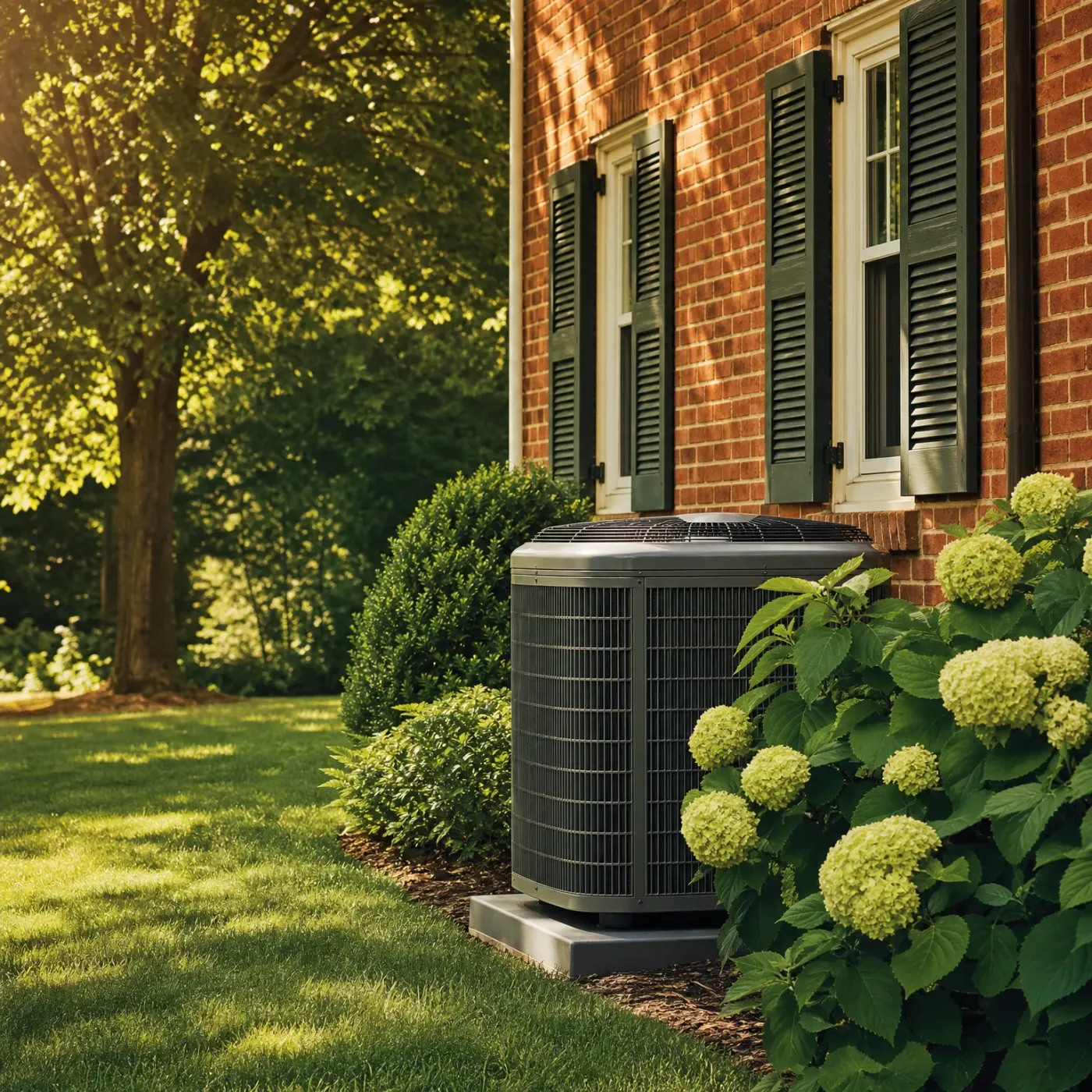
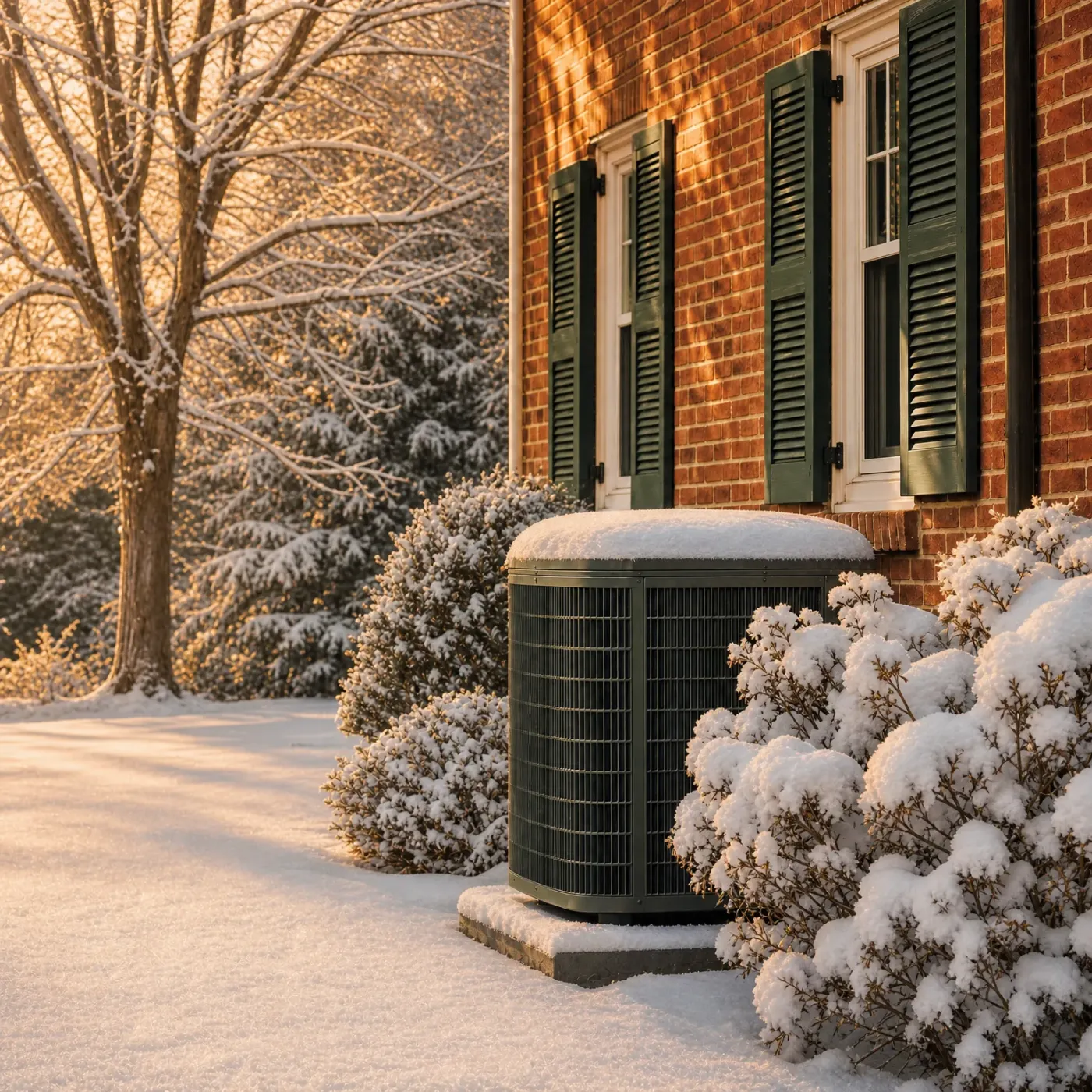
4 months of cooling, June through September
7 months of heat, October through April
What does a heat pump in Delaware face?
How hot do summer afternoons get?
85°Faverage afternoon high where people live
Alaska66°F
Arizona101°F
How cold do winter nights get?
28°Faverage overnight low where people live
North Dakota4°F
Hawaii65°F
How many months does the heat run?
7 monthsof heating a year
Hawaii0 months
Alaska12 months
What does electricity cost?
16.57¢per kWh (kilowatt hours, the unit on an electric bill), what homes paid in 2024
North Dakota11.51¢
Hawaii42.86¢
How often do storms hit?
247severe weather events per county from 2015 to 2024
Alaska5
Wyoming1,057
How many homes lost power for a day or more?
12%of homes in 2024
Arizona7%
Maine54%
What actually breaks
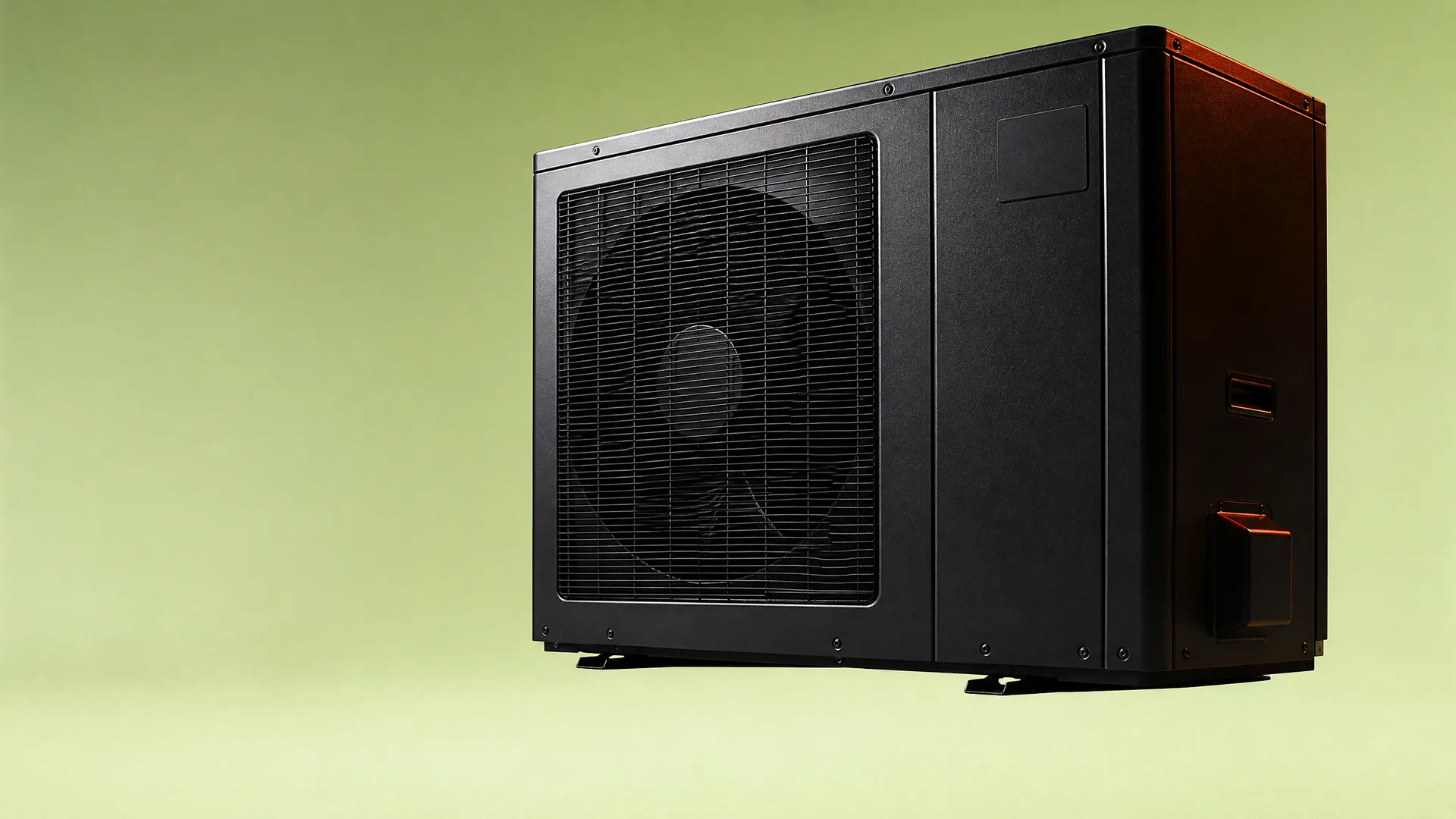
A heat pump fails in a handful of predictable places. The reversing valve is one of them. It's what switches the system between heating and cooling, and when it sticks, the unit blows cold air when it should blow warm, or the other way around. A run capacitor is another. It gives the compressor and fan motors the push they need to start, and once it weakens, the compressor can hum without starting or the fan can stall. Low refrigerant shows up as reduced heat or reduced cooling, and it almost always means a leak somewhere in the lines or coil, not a system that just needs a top-off. The defrost control board and its sensor fail quietly, and when they do, the outdoor coil ices over because the system never gets the signal to run its defrost cycle. A contactor with pitted or burnt contacts can stop the outdoor unit from running at all. None of these are wear from doing an unusual amount of work. They're the same parts failing the same ways they do in any heat pump, anywhere one is installed.
What to listen for and look for
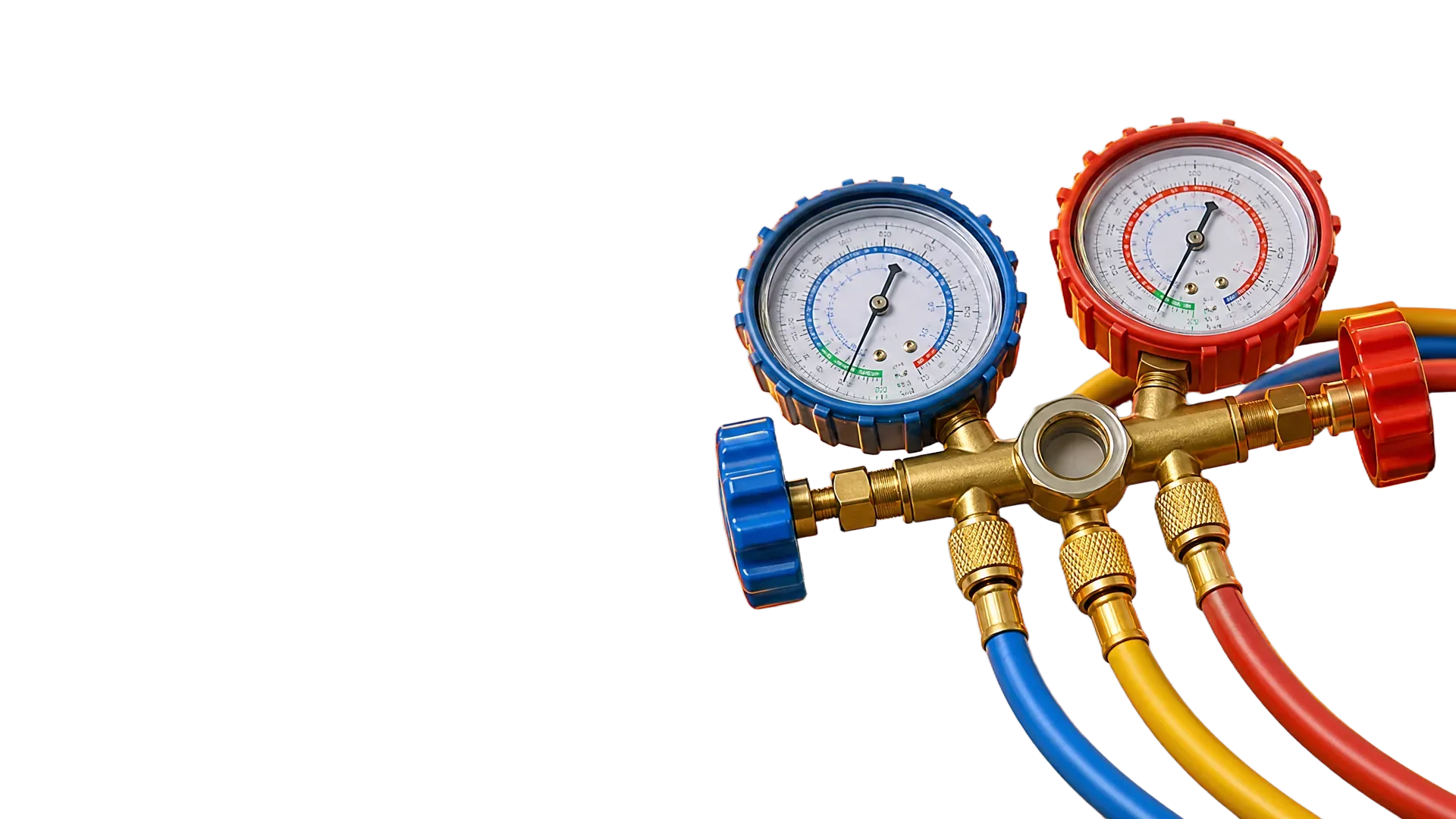
The signs are usually simple, even when the cause isn't. Warm air blowing from the vents when it should be cold, or the reverse, means the reversing valve isn't doing its job, or the system is stuck partway through a cycle. Short cycling, where the unit kicks on and off every few minutes instead of running a full cycle, points to a sensor giving a bad reading or a part struggling to keep up. Ice on the outdoor coil that doesn't clear on its own means the defrost cycle isn't running when it should. A hissing sound or a slow drop in how well the system heats or cools points to a refrigerant leak, not a system that's just old. A unit that won't start at all, or clicks without starting, often comes down to a contactor or capacitor that's past the point of doing its job. None of these fix themselves, and running a heat pump with a failing part usually means something else fails too, since the system leans harder on whatever's left working.
Power loss leaves its own mark
Delaware sees its share of rough weather, and wind has done most of the damage. Some of it knocks out power. 12% of Delaware households lost power for a day or more in 2024. That matters for a heat pump more than hail or tornadoes do. A unit that loses power mid-cycle and comes back on can trip a fault code on the defrost board, or stall on a weak capacitor that would have held on through a clean start. If a heat pump has acted up after an outage, that is worth mentioning when calling for service, since it points straight at a likely cause.
A heat pump acting up in Delaware is almost always a known part failing in a known way.
Tell us about the job
Takes about a minute. No obligation.
Answer a few questions and a licensed contractor in Delaware will reach out to take a look.