
AC Maintenance in Delaware
Electricity costs homes more in Delaware than in 34 of the other 49 states.
Tell us about the job
Takes about a minute. No obligation.
- 85°Fsummer afternoon high where people live
- 4 monthsof cooling, June through September
- 16.57¢ per kWhwhat homes paid for power in 2024 (kWh means kilowatt hours, the unit on an electric bill)
- 48hail events from 2015 to 2024
Electricity costs more here a dirty AC wastes more of it
- Summer afternoons average 85°F where people live
- Cooling runs June through September
- 48 hail events from 2015 to 2024
- 546 damaging wind events from 2015 to 2024
- 12% of homes lost power a day or more in 2024


- Refrigerant gets checked against what the system actually needs, since too much or too little strains the compressor
- Cleaning the condenser coil lets the system shed heat the way it's built to, instead of straining to compensate
- A clogged condensate drain backs up into the pan and can shut the system down through the safety switch
- Weak capacitors are a common reason a compressor won't start, so connections and capacitors get tested
- Restricted airflow from a dirty filter can let the evaporator coil ice over and stop cooling entirely

Delaware runs its AC about four months a year, June through September. One visit before that stretch starts catches a weak capacitor or a dirty coil before the heat sets in. That's enough. You don't need another checkup once summer is underway.
Afternoons here average 85°F through June, July and August, hotter than in most of the country. That heat means long run times once the system starts up, so it pays to have it checked before June, not after.
One visit, before the wind and heat arrive
Wind is the other thing working against your system here. Damaging wind hit Delaware 546 times between 2015 and 2024, more than in most other states. A spring check gives a contractor the chance to catch a loose disconnect or a cabinet knocked out of square before summer puts a full load on it.
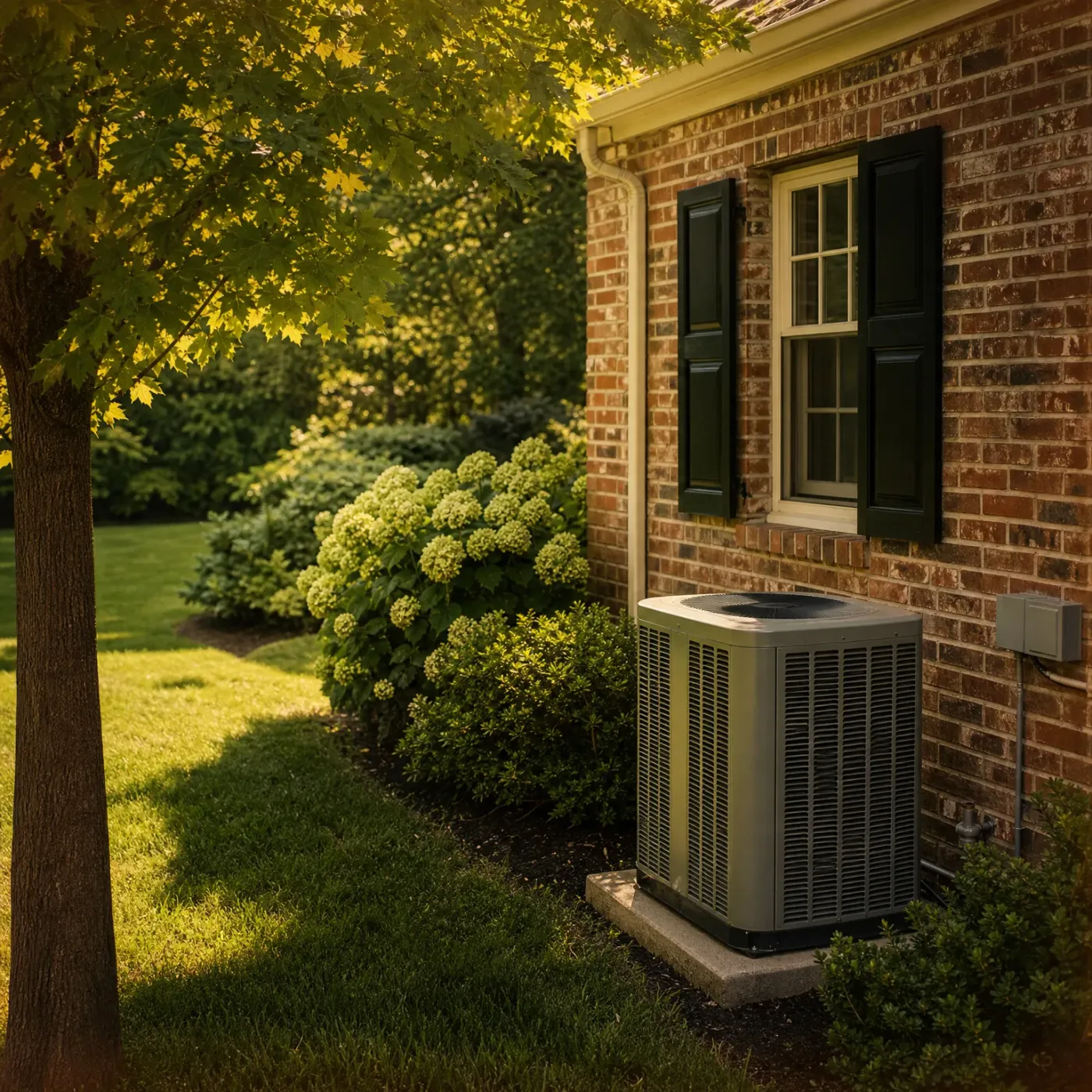

4 months of cooling, June through September
7 months of heat, October through April
What does an AC in Delaware face?
How hot do summer afternoons get?
85°Faverage afternoon high where people live
Alaska66°F
Arizona101°F
How many months does the cooling run?
4 monthsof cooling a year
Alaska0 months
Hawaii12 months
What does electricity cost?
16.57¢per kWh, what homes paid in 2024
North Dakota11.51¢
Hawaii42.86¢
How often do storms hit?
247severe weather events per county from 2015 to 2024
Alaska5
Wyoming1,057
How many homes lost power for a day or more?
12%of homes in 2024
Arizona7%
Maine54%
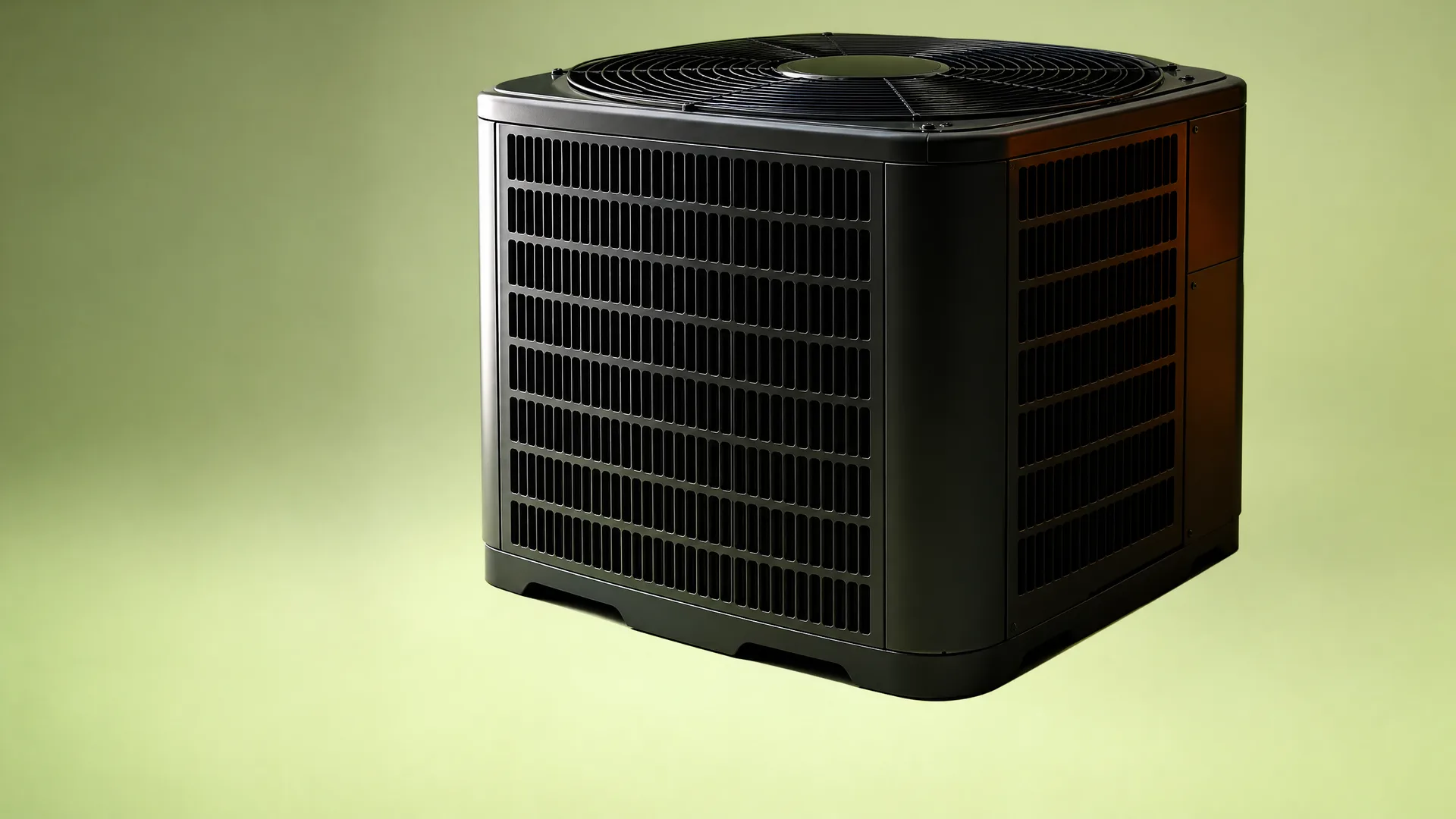
A dirty system spends more to do the same job
Electricity runs 16.57 cents per kilowatt-hour here, more than in most other states. A Delaware home that uses AC puts an average of 6.1 million Btu (British thermal units, a measure of heat) of electricity into it over a year. None of that changes when a coil is dirty or the refrigerant charge is off. The system still cools the house, it just spends more power doing it, pushing against the extra heat it can't shed.
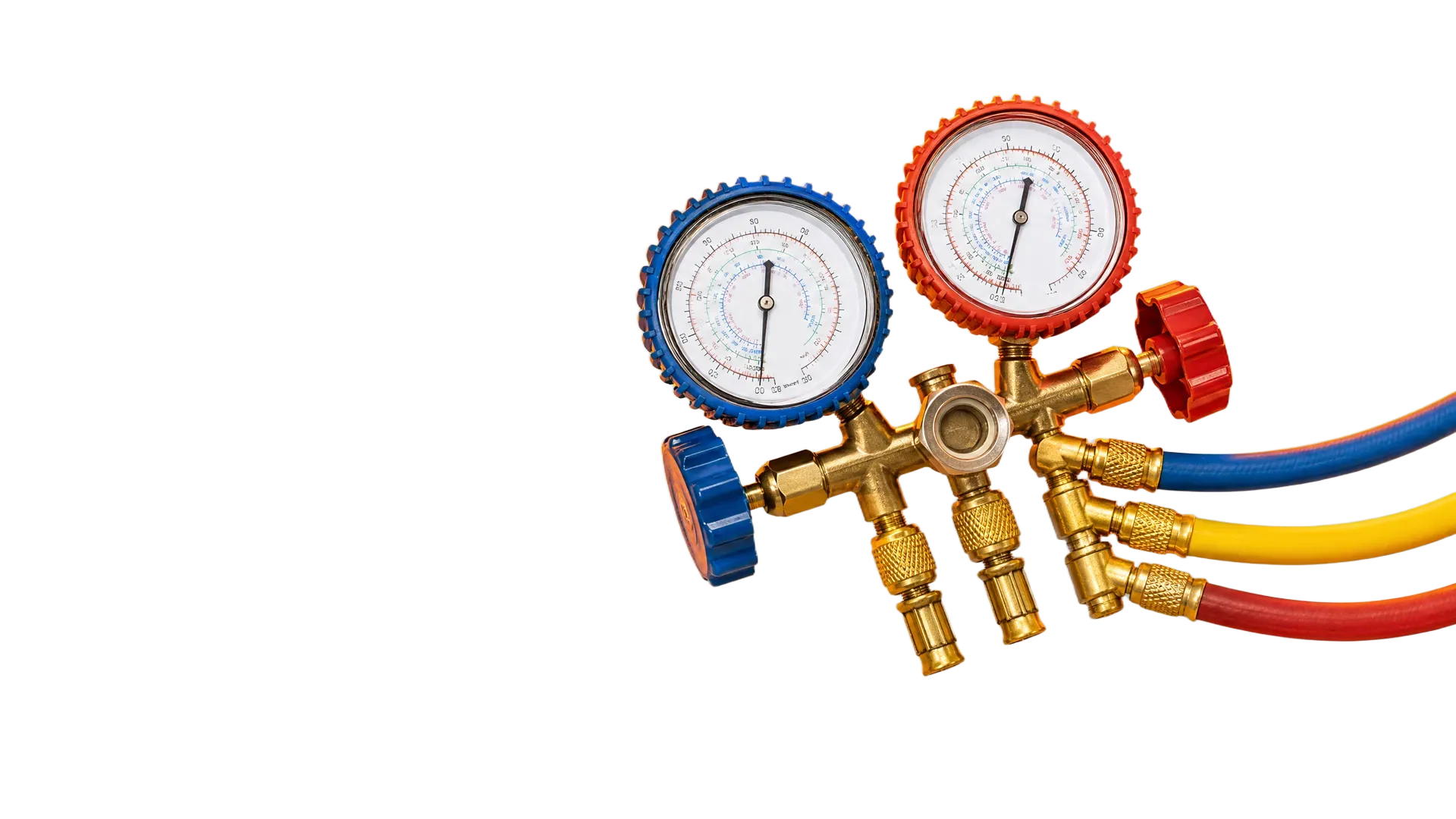
What actually happens during a tune-up
A tune-up is a set of checks, not one task. A technician measures refrigerant pressure against the system's rating, because the charge is either right or it isn't, and either way strains the compressor. The condenser coil and evaporator coil get cleaned, since both have to transfer heat freely for the system to cool without working harder than it should. Electrical connections get tightened and the capacitor gets tested under load, because a capacitor can read fine sitting still and still fail to start the compressor. The condensate drain gets cleared so it can't back up into the pan and trip the safety switch. The blower gets checked for the airflow it's supposed to move, since too little air across the evaporator coil lets it ice over. Belts, where a system still has them, get checked for wear and tension. None of this is guesswork. Each piece either passes or it doesn't, and a tech can tell you which before the system has to prove it under a full load.
How often this needs doing
Once a year covers it here. Delaware gets its share of wind and summer heat, but none of that calls for more than one visit on a system that's otherwise sound. A spring check before the real heat sets in is enough to catch a weak capacitor or a dirty coil ahead of the load they're about to carry. Add a second visit only if the system gave you a reason to, a strange noise, a short cycle, air that isn't as cold as it was. Otherwise one visit is what the system needs.
Electricity already costs more here, and a dirty system spends even more of it.
Tell us about the job
Takes about a minute. No obligation.
Fill out the form once and a licensed Delaware contractor gets in touch to schedule the visit.