Electricity here runs 16.57 cents per kilowatthour
Delaware households paid that rate in 2024, more than a lot of states. Every hour your AC runs, that rate is what you're paying for it.
Takes about a minute. No obligation.
Delaware households paid that rate in 2024, more than a lot of states. Every hour your AC runs, that rate is what you're paying for it.
A unit that wastes less power costs you less to run every single month it's on. When you're comparing systems for installation, the efficiency rating is worth weighing against the price tag, not just the price tag alone.

NOAA nClimDiv, 1991–2020 normals
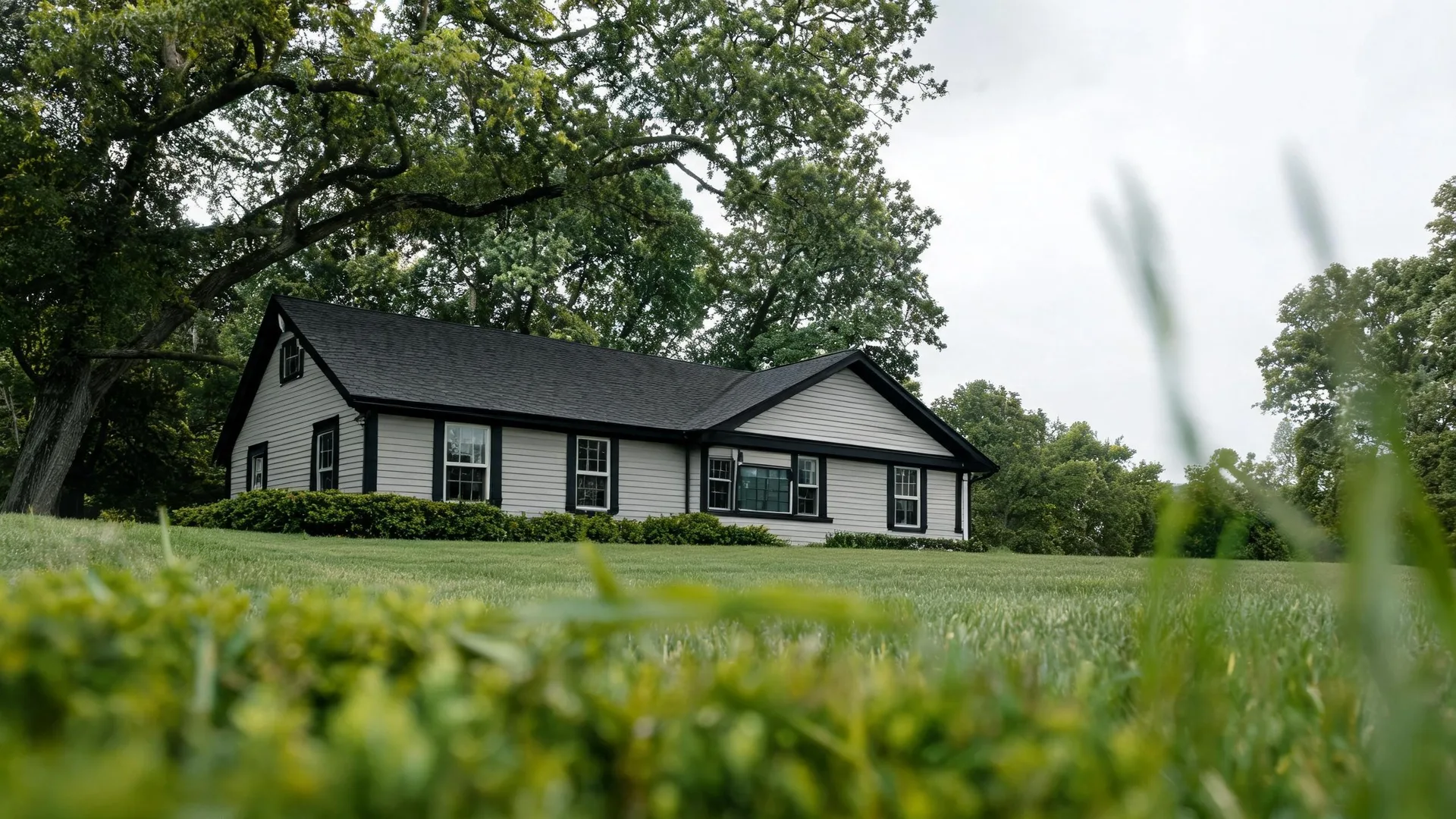
Half the homes in New Castle County were built in 1975 or earlier, half after.
Old or new, a standard-sized, standard-efficiency system is the right call for your house.




New Castle County sits in climate zone 4A, which asks real work of both your furnace and your AC. Delaware falls outside the federal government's Southeast region, so the system going into your house only has to clear the national minimum. For a split system under 45,000 Btu/h, that's 13.4 SEER2, lower than what a homeowner in the Southeast is required to install. A federal tax credit is available for qualifying high-efficiency equipment, on top of whatever the SEER2 rating requires. Worth asking what your new system qualifies for before you settle on one.
Cooling here runs June through September. Put a new system in before June and it's doing its first real work on a schedule you picked, not in the middle of a hot stretch. May is the last easy month to get this done.
Find a contractor
Cooling here runs about four months, June through September. Afternoons average 85°F across June, July and August, so most of those days ask real work of the system, not just a few peak afternoons here and there. A standard-efficiency unit sized right for your house handles that load fine for the time it's asked to run each year.
A contractor works out the right size by looking at the square footage, the windows, the insulation and the layout of the house, room by room. Matching whatever was there before skips that work. If the old system was the wrong size, a copy of it is still the wrong size.
A system too big for the house cools the air fast and shuts off before it pulls the moisture out, so the house feels damp and clammy even at the right temperature. A system too small runs constantly and still can't keep up on the hottest afternoons. Either way, the parts cycle on and off more than they should, and that wear adds up over the life of the unit.
Estimates for a typical New Castle County home, from EIA household energy data, Delaware fuel prices and NOAA climate normals. Your home will differ.
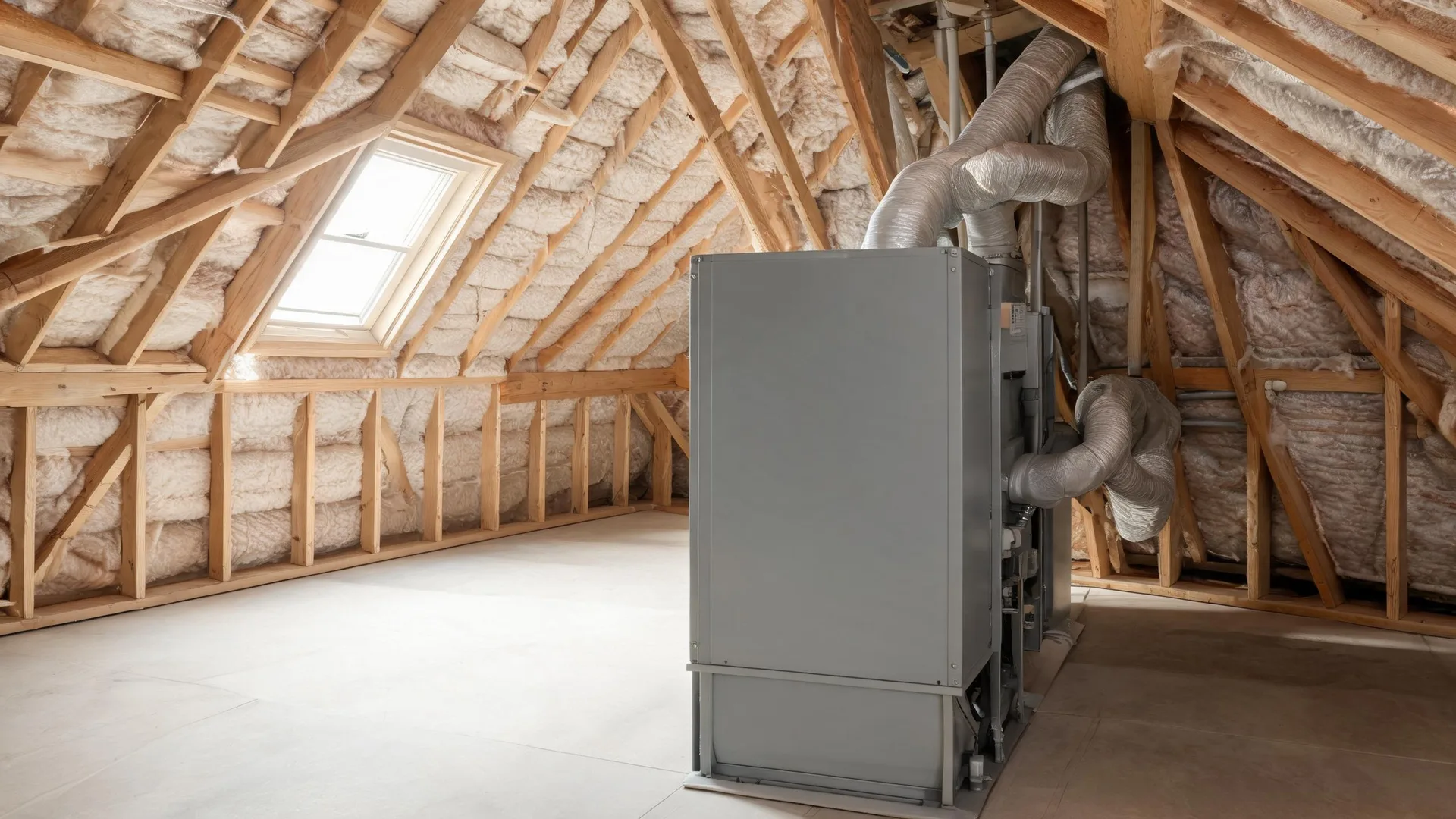
The old unit comes out first, along with the line set, the pad and the electrical disconnect. A tech checks each of those against what the new system actually needs instead of reusing them by default. Old refrigerant lines usually get flushed or replaced, since residue left behind can damage a new compressor. Before any refrigerant goes in, a vacuum pump pulls the air and moisture out of the lines. Either one left behind causes problems down the road. The system then gets charged to the exact amount the manufacturer specifies, checked against the pressures the unit is running at, not just filled until a gauge looks right. The last step is a startup check, airflow at the vents, the thermostat talking to the system, the amperage draw confirmed. A proper job ends with the old equipment hauled away, not left behind for the homeowner to handle.