Electricity here runs 16.57 cents per kilowatthour
Delaware households paid that rate in 2024, above what a lot of states pay. An air conditioner pulling power at that rate turns every inefficient hour into a bigger number on the bill.
Takes about a minute. No obligation.
Delaware households paid that rate in 2024, above what a lot of states pay. An air conditioner pulling power at that rate turns every inefficient hour into a bigger number on the bill.
A new air conditioner with a higher SEER2 rating uses less electricity to cool the same house. At 16.57 cents per kilowatthour, that difference shows up on the bill every month the system runs.
NOAA nClimDiv, 1991–2020 normals
The SEER2 number on the label is a ratio of cooling output to electricity used over a season, not something you'll see on any single day.
Units built to cool a house the same way can still pull very different amounts of power doing it, and that gap is what the rating is telling you.




Kent County sits in climate zone 4A, which calls for real heating and real cooling over the course of a year. Delaware falls outside the states the Department of Energy classes as the Southeast for air conditioner rules, so the federal minimum that applies here is 13.4 SEER2 for split systems under 45,000 Btu/h. That's a floor, not a target. Anything sold new has to clear it, but units well above it are on the market, and they cost less to run every month the compressor is working.
At 16.57 cents per kilowatthour, the difference between a unit at the minimum and one above it shows up on every bill once the new system is running. Worth settling before installation, not after.
Find a contractorA quote based on tonnage alone doesn't tell you how long the compressor runs to get there. Ask what size unit they're proposing and how they landed on it. A unit sized to the house cycles on, satisfies the thermostat, and shuts off. One that's too big does the same job in short bursts, and those bursts wear switches and contactors faster than long, steady runs do. One that's too small never really shuts off on the hot days, and that's the unit you'll be replacing again first. Ask whether they ran a load calculation on the house or quoted off the size of the system that's already there. Ask too about the warranty on the compressor versus who covers the labor to pull it back out if something fails early, because those answers often come from different people.
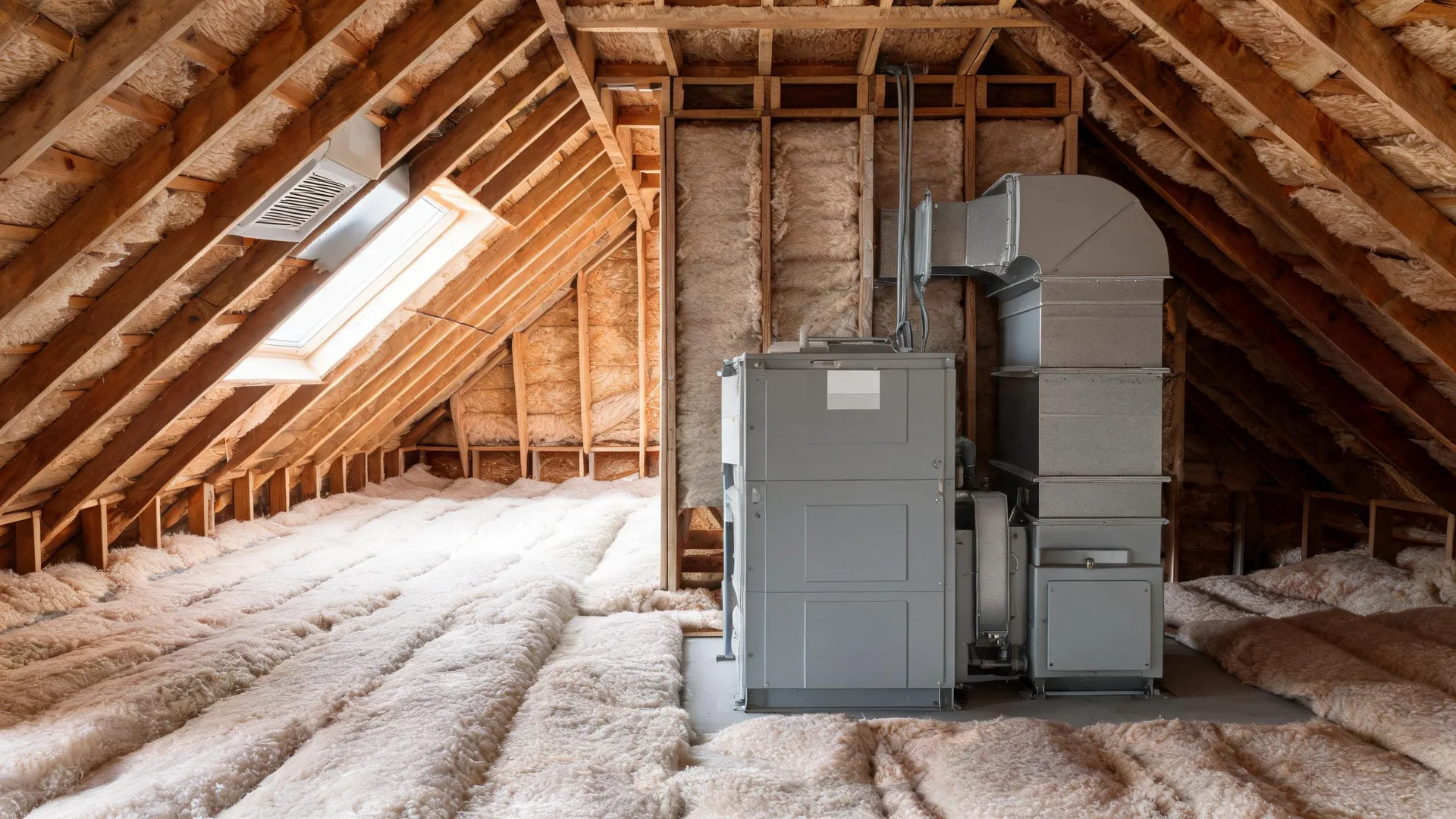
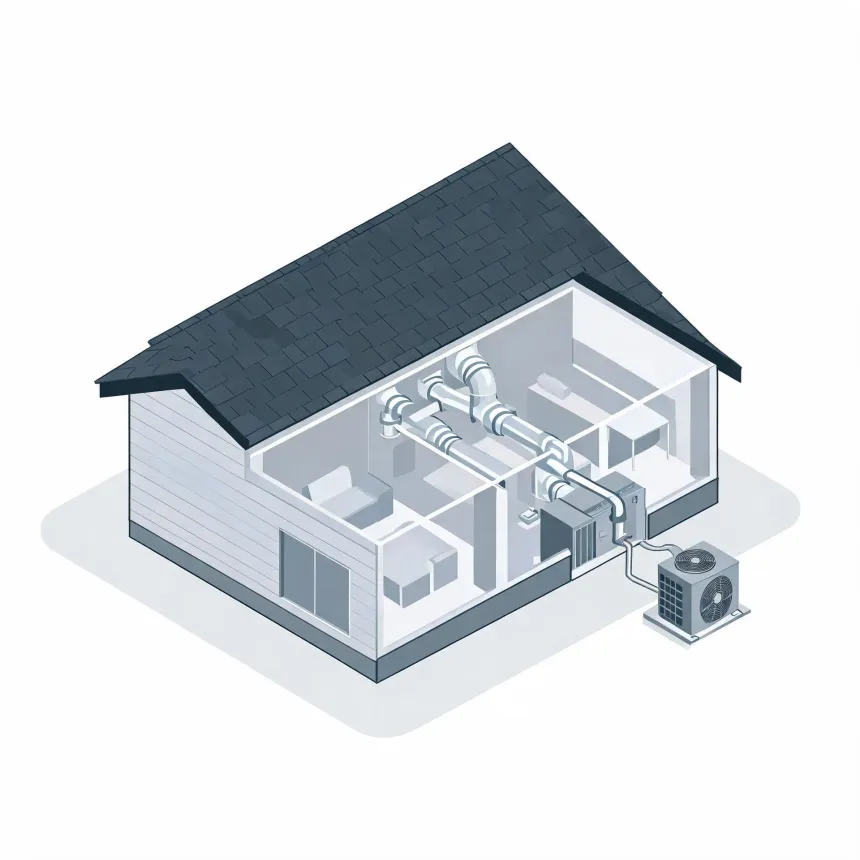
A new outdoor unit and coil have to match the air handler, and the air handler has to move air through the ducts already in the house. If those ducts are undersized or leaky, a contractor either works around that or opens up the job to fix it first. That changes what the install looks like well before anyone talks about the equipment itself.
The outdoor unit needs a clear, level spot with room for airflow on all sides, and the line set running to the indoor coil has to get there somehow. A straightforward path along an exterior wall is a different job than one that has to run through a finished ceiling or a tight crawlspace. The route matters as much as the equipment at the end of it.
Estimates for a typical Kent County home, from EIA household energy data, Delaware fuel prices and NOAA climate normals. Your home will differ.
Install day starts with the old system coming out, not the new one going in. The crew disconnects the refrigerant lines, pulls the old outdoor unit, and pulls the indoor coil out of the plenum above or beside the furnace. If the line set isn't being reused, that gets replaced too, which means new copper run along whatever path the old lines took. Once the old equipment is clear, the new coil goes in, the new air handler or furnace connections get tied back together, and the outdoor unit gets set on its pad. The system gets charged with refrigerant to the manufacturer's spec for the length of line set run, not just filled and left. Before anyone leaves, it gets tested under a full cooling cycle, checking the temperature drop across the coil and making sure the system cycles off normally once the thermostat is satisfied. A system that's never run through a full cycle on install day is one nobody has actually confirmed is working right.